

Transform Your Daily Nutrition with Science-Backed Meal Plans
Womennutritionbalance delivers personalized daily meal plans designed specifically for women's nutritional needs. Discover how balanced nutrition can become a natural part of your everyday life through our comprehensive editorial guides and research-backed resources.
Our platform provides detailed information about meal planning, nutritional balance, and practical approaches to sustaining healthy eating habits. Learn from our expert contributors and explore evidence-based strategies tailored to women's wellness.
The information on this site is for educational purposes only and does not constitute medical advice. Always consult a qualified healthcare professional before making health decisions.
Essential Features of Our Meal Planning Approach
Womennutritionbalance combines practical meal planning with nutritional science. Here are the core pillars of our editorial platform's approach to women's daily nutrition.
Personalized Daily Meal Plans
Our comprehensive guides help you understand how to build daily meal plans tailored to women's specific nutritional requirements. Learn about macronutrient balance, micronutrient needs, and caloric distribution throughout your day.
Women-Centered Nutritional Science
Explore research-backed information about how women's bodies process nutrients differently across life stages. Discover articles on hormonal balance, iron absorption, calcium needs, and nutritional considerations specific to women's health.
Balanced Macro & Micronutrient Tracking
Learn how to evaluate your daily intake of proteins, carbohydrates, healthy fats, vitamins, and minerals. Our editorial content explains the importance of nutritional balance and how to assess whether your meal plans meet your body's needs.
Practical Meal Preparation Strategies
Discover real-world approaches to meal prep, grocery shopping, and weekly planning. Our contributors share evidence-based tips on food storage, batch cooking, and maintaining nutritional consistency across your daily meals.
Nutritional Education & Transparency
Access detailed articles explaining fundamental nutrition concepts. Learn about food labels, nutrient density, hydration, and how to make informed choices about your daily meals without restrictive or extreme approaches.
Life Stage & Goal-Based Approaches
Explore how nutritional needs vary across different life stages—from young adulthood through menopause. Our content covers various wellness goals and how balanced daily nutrition can support your personal health objectives.

Why Daily Nutritional Balance Matters for Women
Women's bodies have unique nutritional requirements that evolve throughout different life stages. Balanced daily nutrition supports sustained energy, optimal body composition, mental clarity, and overall well-being. Our editorial platform provides the knowledge you need to understand these nutritional principles.
Consistent, balanced daily meal plans help maintain stable blood sugar, support hormone regulation, and provide the micronutrients women often lack—such as iron, calcium, and vitamin D. Learn how thoughtful meal planning becomes a sustainable part of your lifestyle, not a temporary adjustment.
Energy Stability Throughout the Day
Properly balanced meals prevent energy crashes and support consistent mental and physical performance from morning to evening.
Essential Micronutrient Coverage
Women's nutritional needs for iron, calcium, B vitamins, and other micronutrients differ from general guidelines. Learn how daily meal planning ensures adequate intake.
Sustainable, Long-Term Approach
Our research-based content emphasizes practical, maintainable nutrition strategies rather than restrictive diet trends.
Understanding Different Meal Plan Approaches
Womennutritionbalance offers editorial resources covering various meal planning methodologies suited to different lifestyles, preferences, and nutritional goals.
Foundational Balance
Learn the fundamentals of balanced eating with straightforward daily meal guidelines. This beginner-friendly approach focuses on understanding basic nutrition principles without complexity.
- Simple macronutrient ratios
- Practical grocery lists
- Easy-to-follow daily templates
- Flexible meal options
Detailed Tracking
For those seeking precision, explore comprehensive daily meal planning with detailed macronutrient and micronutrient tracking. Ideal for specific nutritional goals.
- Exact nutritional breakdowns
- Portion guides and scales
- Micronutrient optimization
- Advanced meal planning tools
Lifestyle Integration
Discover how to integrate balanced nutrition into real-life circumstances—busy schedules, travel, dining out, and varying food preferences while maintaining nutritional goals.
- Time-efficient meal prep
- Restaurant navigation guides
- Travel nutrition strategies
- Sustainable habit building
Your 4-Week Balanced Nutrition Journey
Follow our editorial roadmap to understand and implement balanced daily meal planning. Each phase builds your nutritional knowledge and practical skills.
Week 1: Nutrition Foundations
Begin by understanding the basics of balanced nutrition. Learn about macronutrients (proteins, carbohydrates, fats), micronutrients, and the daily caloric needs specific to women. Our articles explain how to read nutrition labels and evaluate food choices.
Key focus: Understanding your body's nutritional baseline and why women's needs differ from general population guidelines.
Week 2: Meal Planning Structure
Discover how to build a balanced daily meal plan from the ground up. Learn strategies for combining different food groups, creating sample days, and ensuring nutritional variety. Our guides show how to structure breakfast, lunch, dinner, and snacks for optimal nutrition.
Key focus: Building practical meal templates that work for your lifestyle and preferences while maintaining nutritional balance.
Week 3: Practical Implementation
Move from planning to action. Learn meal prep techniques, grocery shopping strategies, and how to organize your kitchen for success. Our editorial content covers batch cooking, food storage, and maintaining nutritional consistency throughout your week.
Key focus: Developing sustainable habits and overcoming common obstacles to maintaining balanced daily nutrition.
Week 4: Refinement & Personalization
Assess what's working and customize your approach. Learn how to track nutritional intake, evaluate your meals, and adjust your plan based on how you feel and your specific goals. Discover strategies for long-term sustainability and adapting to life changes.
Key focus: Creating a personalized system that works for your unique life, preferences, and nutritional objectives—one you can maintain long-term.
Sample Weekly Meal Preparation Examples
Visual inspiration for balanced daily meals. These examples showcase practical, real-world combinations of nutritious foods that demonstrate balanced meal planning principles.
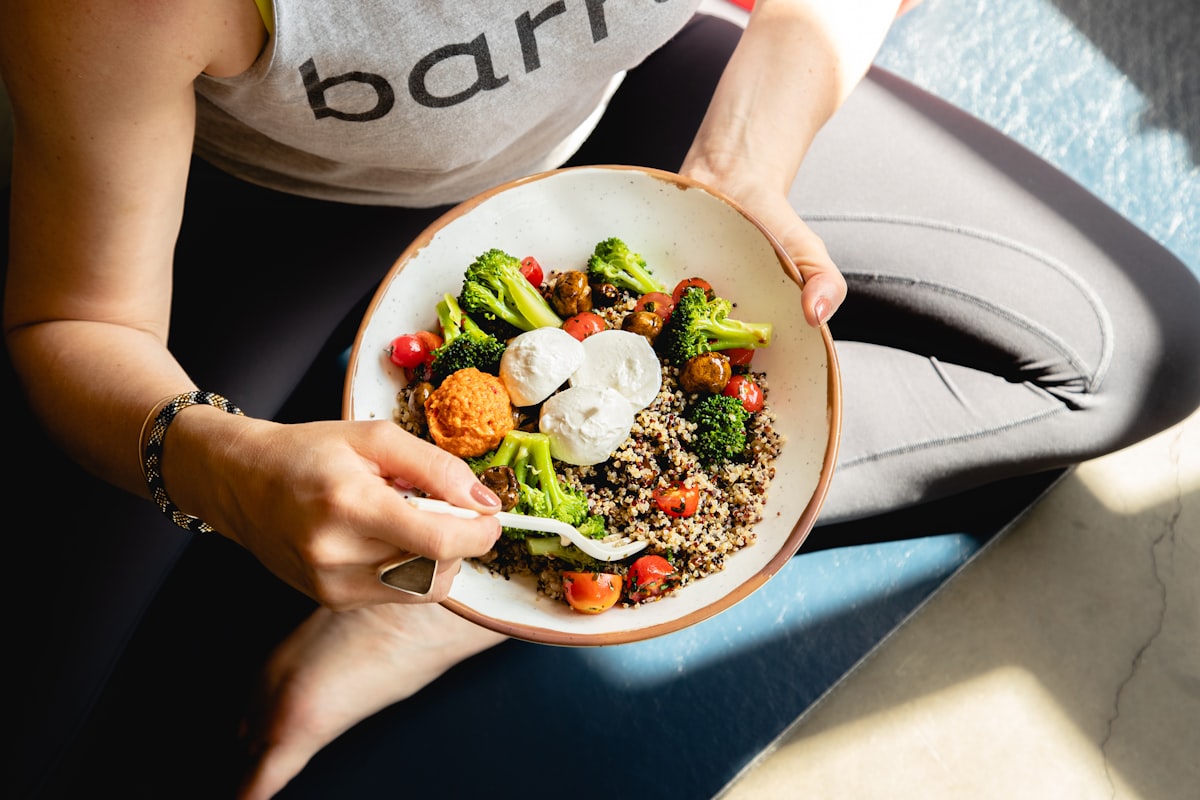
Monday: Balanced Breakfast
A complete breakfast combining whole grains, lean protein, fresh vegetables, and healthy fats for sustained morning energy.

Tuesday: Nutrient-Dense Lunch
A mid-day meal featuring colorful vegetables, quality protein, and complex carbohydrates for steady energy throughout the afternoon.

Wednesday: Balanced Dinner
An evening meal combining lean protein, seasonal vegetables, and whole grains for complete nutritional coverage and satiety.
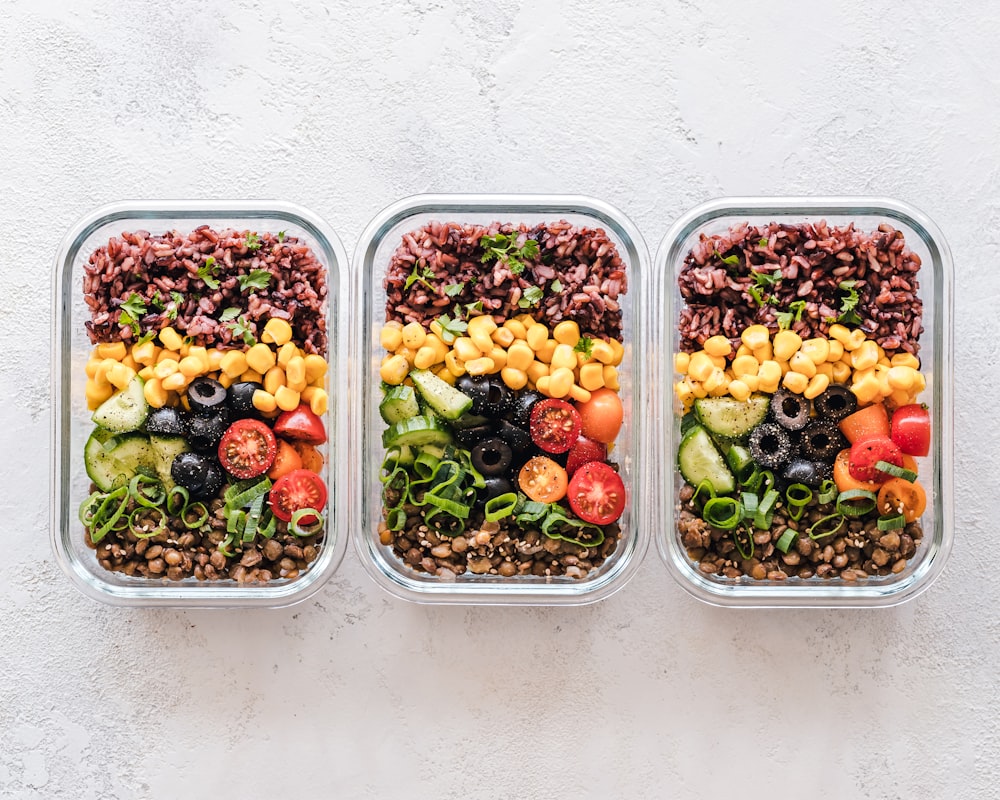
Thursday: Nutritious Snacking
Between-meal snacks combining healthy fats, protein, and carbohydrates to maintain energy and prevent overeating at main meals.

Friday: Meal Prep Strategy
Organized meal containers showing practical portioning for balanced daily eating throughout the week with minimal daily effort.

Weekend: Variety & Enjoyment
Weekend meals demonstrating how to maintain nutritional balance while enjoying culinary variety and indulgence in moderation.
Common Questions About Daily Meal Planning
Find answers to frequently asked questions about balanced nutrition, meal planning strategies, and how to get started with personalized daily meal plans.
How do I determine my daily caloric needs as a woman?
Your daily caloric needs depend on factors including age, activity level, body composition, and metabolic rate. Our editorial content explains how to estimate your baseline caloric needs and adjust based on your specific goals. We provide frameworks for calculation without requiring complex formulas.
What's the ideal macronutrient ratio for women?
There's no single "perfect" ratio—it depends on your goals, preferences, and lifestyle. Our guides explain various evidence-based approaches ranging from balanced 40-30-30 (carbs-protein-fat) to lower-carb or higher-protein options, helping you find what works best for your body and sustainability.
How can I balance nutrition while managing food preferences or restrictions?
Balanced nutrition is achievable with any food preferences or dietary restrictions. Our content covers strategies for working with vegetarian, vegan, gluten-free, dairy-free, and other preference-based eating patterns while ensuring nutritional completeness and adequacy.
How do hormonal fluctuations affect nutritional needs throughout the month?
Women's nutritional requirements and energy needs vary with hormonal cycles. Learn how to adjust meal planning across different phases of your menstrual cycle, considering changes in appetite, nutrient absorption, and energy expenditure. Our articles explain cycle syncing approaches based on nutritional science.
What micronutrients do women commonly lack, and how can meal planning address them?
Women often face inadequate intake of iron, calcium, vitamin D, B vitamins, and omega-3 fatty acids. Our editorial resources explain the importance of each nutrient for women's health and provide practical strategies for incorporating rich food sources into your daily meals through targeted meal planning.
How can I maintain balanced nutrition while traveling or with a busy schedule?
Busy lifestyles and travel present challenges to consistent meal planning. Discover practical strategies including simplified meal templates, portable food options, restaurant navigation guidelines, and time-efficient preparation methods that maintain nutritional balance without requiring extensive daily time investment.